What is Echinacea?
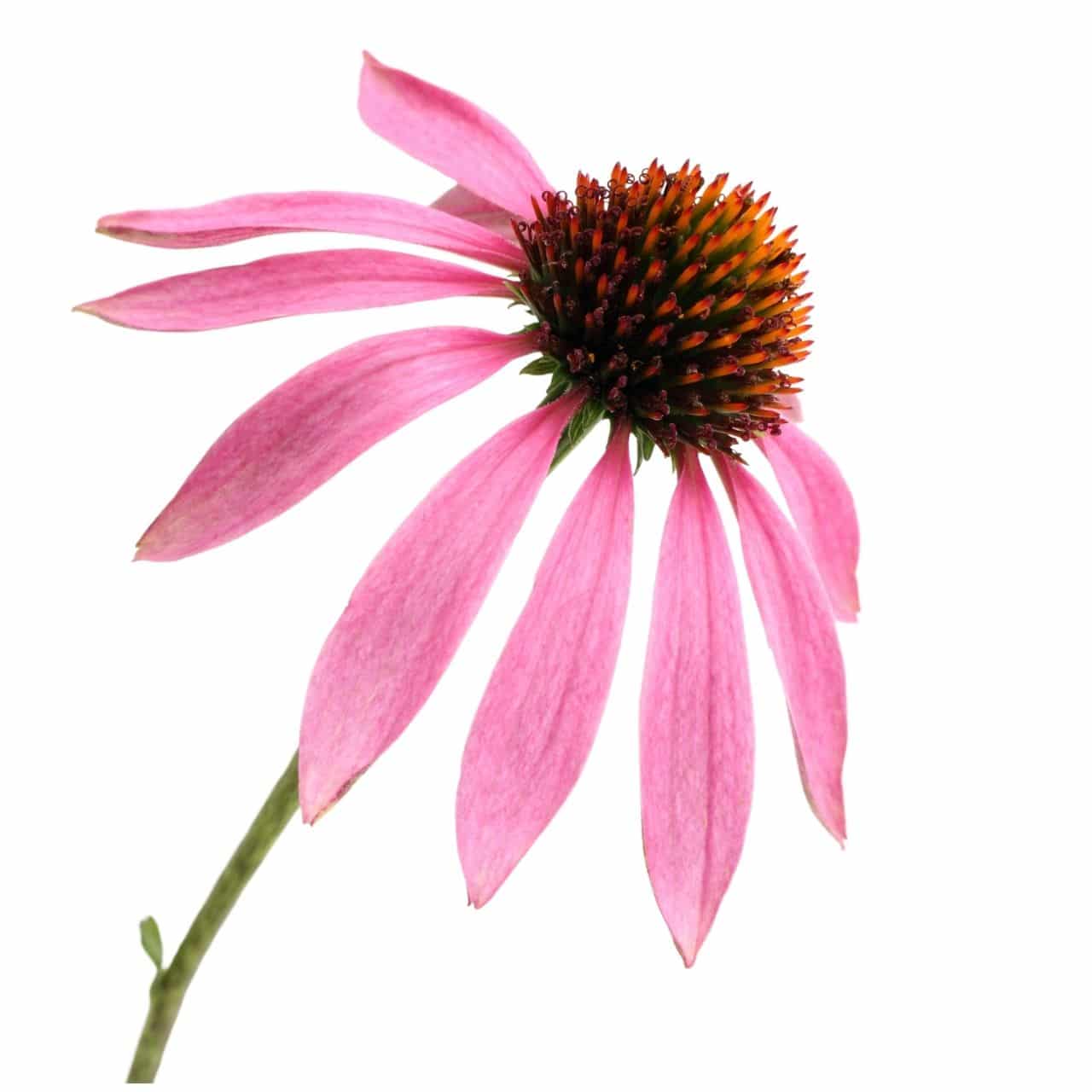
Echinacea is a genus of perennial herbaceous plants that includes nine species , but only three of them are used for commercial purposes: Echinacea Purpurea , Echinacea Pallida and Echinacea angustifolia . They are mainly interesting plants from an ornamental and herbal point of view. They are plants native to North America. This genus of plants belongs to the larger Asteraceae family.
Echinacea , thanks to its immunostimulating properties, is one of the most sought after medicinal plants in the Italian phytotherapeutic panorama.
The term Echinacea commonly indicates the roots, rhizome and aerial parts of some plants native to the temperate zones of North America
Benefits Echinacea?
Echinacea , of which the roots and the aerial parts are mainly used, has immunostimulating , anti- inflammatory and vulnerary properties. It is therefore used to prevent colds , relieve flu symptoms, counteract recurring infections and, for topical use, to treat wounds, ulcers, burns , canker sores and dermatitis.
The medicinal use of this plant is lost in time and the modern pharmacopoeia has extended popular knowledge by attributing to these plants a prominent role in strengthening the immune defenses . In addition to external uses for medicinal or phytocosmetic purposes, echinacea can also be used for the treatment of flu and colds .
The European Medicines Agency (EMEA) has approved [1] the use of Echinacea purpurea flower extract for the short-term prevention and treatment of colds
How to take Echinacea?
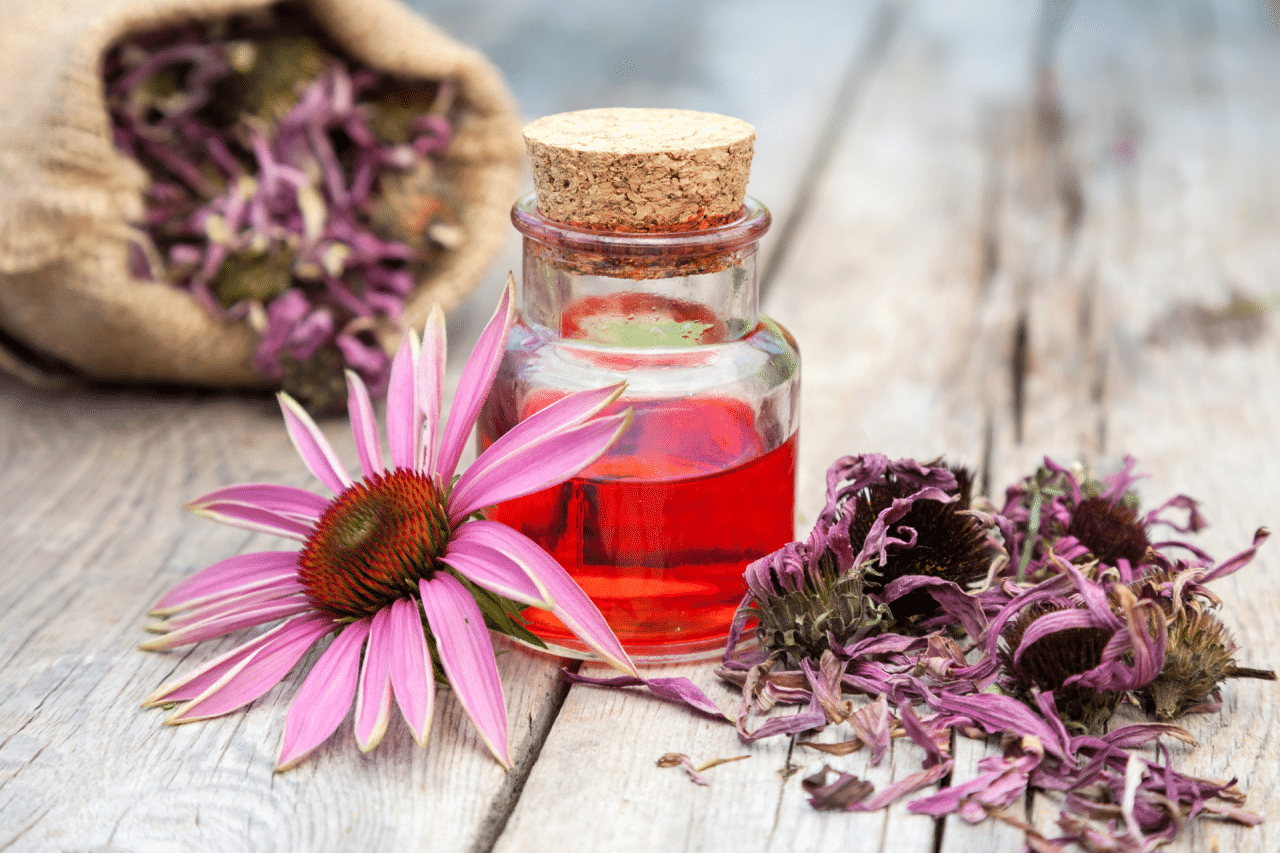
It is recommended to start taking Echinacea supplements for preventive purposes 2 or 3 months before the arrival of the cold seasons . The dosage of Echinacea varies depending on whether it is used as a prevention or as a cure, and also based on the purity and quality of the product.Normally, for the autumn prevention phase, the ideal is to do 21-day treatment cycles. and a 7-day break by taking 50 drops of mother tincture once a day.
To treat cough or cold, take 30-40 drops of mother tincture 2 or 3 times a day between meals, decreasing the frequency as the symptoms disappear.
Why take Echinacea?
We can take Echinacea to stimulate the immune system in both adults and children: this happens because Echinacea is able to increase the production of those leukocytes that have the function of engulfing foreign agents harmful to our body such as bacteria, fungi and viruses.
In addition to its immunostimulating capacity, Echinacea has an important antibiotic and bacteriostatic action thanks to the presence of some flavonoids which also give it anti-inflammatory properties similar to those of cortisone.
What does Echinacea contain?
Echinacea contains several bioactive compounds , including
- POLISACCHARRIDES,
- FLAVONOIDS,
- DERIVATIVES OF CAFFEIC ACID AND CHICORIC ACID, WHICH APPEARS TO BE THE MOST ACTIVE COMPOUND.
The active ingredients are found in the root and are: ketoalkenes e ketoalkynes with hydroxylated derivatives differentiated between the extracts of Echinacea pallida and di Echinacea angustifoglia , essential oil from 0.2 to 2%, derivatives polyacetylenes , derivatives ofcaffeic acid includingechinacoside (up to 11% while the cinarina is absent), glycoproteins , polysaccharides (the root ofE. pallida does not contain alkamides unlike the E. angustifolia
Contraindications of Echinacea?
Natural is not always synonymous with harmless and even in this case not everyone can take advantage of the properties of Echinacea . In fact, people suffering from autoimmune diseases must pay particular attention to its use because the immunostimulating properties of this plant can cause problems.
Echinacea warnings?
Do not exceed the recommended daily dose. Keep out of the reach of children under 3 years of age. Food supplements are not intended as a substitute for a varied and balanced diet and a healthy lifestyle, and we always recommend the advice of your doctor or nutritionist before taking.







Reviews
There are no reviews yet.